My Mom is Doula: A Designer’s Embroidery Review
When evaluating a new machine embroidery design for professional or small business use, I look beyond the digital preview. As someone who regularly produces custom apparel and personalized gifts, I need to know how a graphic translates from screen to fabric. The "My Mom is Doula" design caught my attention recently as I prepared a line of Mother’s Day merchandise for a boutique client. This review breaks down my practical experience testing this embroidery file in a real-world production environment, focusing on stitch integrity, commercial viability, and final product appeal.
First Impressions and Visual Hierarchy
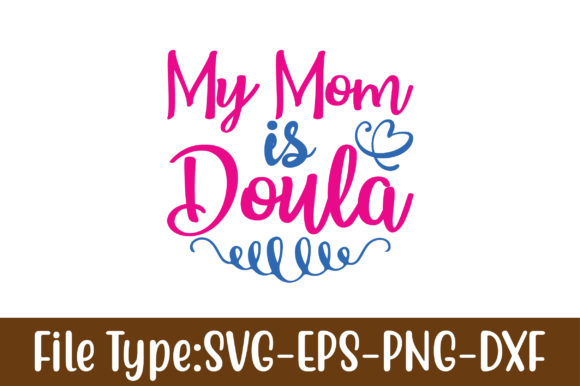
Upon opening the digital assets, which include SVG, EPS, DXF, and a 300 DPI PNG, the layout immediately suggests versatility. For an Etsy seller or craft business owner, having multiple formats is essential. While the SVG and DXF are perfect for vinyl cutting machines, the high-resolution PNG serves as an excellent reference for digitizing or creating printable mockups. Visually, the phrase "My Mom is Doula" carries a specific emotional weight. It targets a niche audience of birth workers and their families, meaning the typography must be legible yet warm. In my initial assessment, the design feels balanced enough for a left-chest placement on a sweatshirt or a centered motif on a tote bag design. It avoids overly complex flourishes that often cause registration issues during stitching, suggesting it was created with actual production in mind rather than just digital aesthetics.
Real-World Test: Stitching on French Terry Sweatshirts
To truly evaluate this digital embroidery file, I ran a test on a heavyweight French terry sweatshirt, a popular item for holiday embroidery and maternal gifts. My goal was to create a premium handmade product that could withstand washing while maintaining crisp lettering. I used a cutaway stabilizer to manage the stretch of the knit fabric. During the stitching process, I paid close attention to the stitch density. If a design is too dense, it can cause puckering on soft fabrics; if too sparse, the fabric texture shows through unattractively. This design performed well, maintaining coverage without becoming bulletproof. The lettering held its shape, which is critical when selling commercial embroidery items where quality reflects directly on your brand reputation.
I also tested the design as an applique design variation. By using the outline as a guide for fabric placement, I was able to reduce total stitch count significantly. This is a vital strategy for small shop product margins, as it reduces thread consumption and machine run time. The resulting patch had a clean edge and sat flat against the garment, making it suitable for both adult wear and potential baby embroidery projects where comfort is paramount.
Navigating Fabric Challenges and Hoop Limitations
While "My Mom is Doula" is versatile, no embroidery project is without limitations. Crafters must be mindful of fabric choice. On highly textured surfaces like terry cloth or fleece, fine details can get lost. I recommend using a water-soluble topping to keep stitches visible and sharp. Conversely, on thin or sheer fabrics, the satin stitch elements may pull or distort the weave. Always pair lightweight materials with appropriate tear-away or wash-away stabilizer to prevent damage.
Hoop size is another practical consideration. Before purchasing, verify the dimensions against your machine’s capabilities. If you plan to resize this graphics asset significantly, remember that scaling up can increase density disproportionately, while scaling down may render text illegible. For caps or curved surfaces, test the design first; flat typography does not always wrap correctly around a structured hat without modification. Additionally, if you are working with dark fabrics, ensure your thread colors provide sufficient contrast. A white or cream thread on navy fabric works beautifully, but low-contrast combinations will diminish the impact of the message.
Commercial Viability for Makers and Sellers
For those running a craft business or selling on platforms like Etsy, this design offers strong market potential. Niche-specific phrases like "My Mom is Doula" often convert better than generic "Mom" designs because they speak to identity and profession. When listing a finished product, use the included 300 DPI PNG to create accurate design assets for your storefront. However, transparency builds trust. Clearly state whether the item is embroidered or printed, and always confirm licensing terms before selling. Some files allow for physical product sales but prohibit reselling the digital file itself. Protecting your business means respecting these boundaries.
The design also lends itself well to bundling. Consider pairing the embroidered patch with matching vinyl decals made from the same SVG file. This creates a cohesive brand experience for customers buying Crafts items for doulas. Whether applied to a nursing cover, diaper bag, or planner, the consistency across mediums elevates the perceived value of your work.
Essential Pre-Production Checklist
Before committing this design to a sellable item, run through this practical checklist to ensure professional results:
- Test Stitch First: Never skip this step. Use scrap fabric similar to your final project to check tension and registration.
- Verify File Integrity: Open the SVG and EPS in your software to ensure all nodes are closed and paths are continuous.
- Check Contrast: View your thread colors against the fabric in natural light. Digital screens can be deceiving.
- Assess Washability: If making baby items or kitchen textiles, test laundering to ensure the fill stitch and running stitch elements hold up.
- Review Licensing: Confirm you have the right to use "My Mom is Doula" for your intended commercial purpose.
- Mockup Accuracy: Use the high-res PNG to show customers exactly what they are buying, avoiding misleading representations.
Final Thoughts on Design Application
"My Mom is Doula" succeeds because it balances sentiment with technical usability. It is approachable for hobbyists creating a personalized gift yet robust enough for apparel decorators fulfilling bulk orders. The inclusion of multiple file types acknowledges the hybrid nature of modern making, where cut machines and embroidery machines often work in tandem. By treating this design as a foundational asset rather than a one-off graphic, makers can build a sustainable product line that resonates with a dedicated community. Remember, the best embroidery file is one that respects both the maker’s time and the wearer’s experience. With proper testing and thoughtful application, this design can become a staple in your creative repertoire, bridging the gap between digital art and tangible, cherished goods.