Best Mom Ever Leopard: A Designer’s Stitch Test
When evaluating a new machine embroidery design for my shop, I look past the digital preview and immediately imagine how it will behave under the needle. The Best Mom Ever Leopard graphic initially caught my eye because it bridges two massive trends in the Crafts category: sentimental messaging and bold animal print aesthetics. As a designer who creates both personal gifts and commercial products, I needed to know if this specific layout would translate from a screen to a tangible, high-quality finished product. My assessment focuses on stitch integrity, fabric compatibility, and marketability for fellow makers and small business owners.
First Impressions and Visual Hierarchy
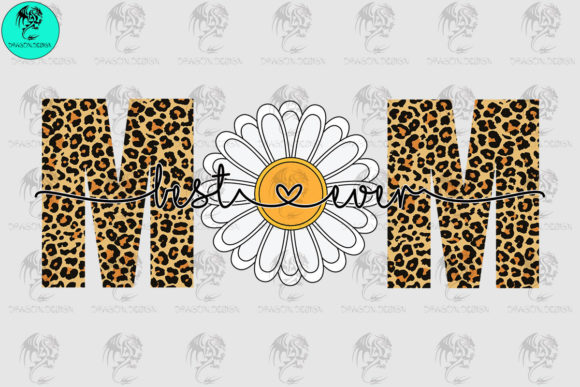
The visual personality of Best Mom Ever Leopard strikes a balance between playful and polished. In the realm of Graphics, leopard print can sometimes feel chaotic or dated, but this design uses the pattern as a structural element rather than just background noise. The typography appears integrated with the motif, suggesting that the text and image were designed to work as a single unit rather than two separate layers forced together. For an Etsy seller or boutique owner, this cohesion is vital. It signals professionalism and saves digitizing time. The mood is confident and warm, making it an ideal candidate for custom apparel intended for mothers who appreciate style over saccharine sentimentality.
Real-World Application: The Sweatshirt Test
To truly judge this embroidery file, I mentally applied it to a current client request: a heavyweight cotton-blend sweatshirt for a "New Mom" gift box. This scenario tests several variables at once. Sweatshirt fleece has a textured surface that can swallow fine details, and the garment's weight requires robust stabilization. Best Mom Ever Leopard seems well-suited for this application because the leopard elements likely utilize fill stitch areas that provide enough coverage to stand out against the fuzzy texture of the fabric. If the design relied solely on delicate running stitch outlines, I would be concerned about visibility. However, the bold nature of the print suggests sufficient density to create a crisp, professional result on casual wear.
For this specific project, I would treat this as a centerpiece design. Placing it centered on the chest or across the upper back maximizes its impact. When creating a personalized gift, the clear legibility of the "Best Mom Ever" text ensures the message reads instantly in photos, which is crucial for social media marketing and customer satisfaction. The design’s aesthetic also lends itself beautifully to a tote bag design, where the contrast between canvas fabric and vibrant thread colors can make the leopard pattern pop without requiring excessive stabilizer.
Fabric Compatibility and Stabilization Strategy
Not every embroidery project is created equal, and Best Mom Ever Leopard requires thoughtful fabric selection. While it shines on stable knits and woven cottons, I would exercise caution when applying this to performance wear or thin, stretchy jersey. The density required to render a convincing leopard pattern can create a stiff patch on lightweight fabric, leading to puckering or distortion. If you are producing baby embroidery items like onesies, verify that the design size is scaled appropriately to avoid a heavy, uncomfortable center panel. Always use a cut-away stabilizer for knits to support the stitch density and prevent the fabric from pulling away from the hoop during stitching.
Conversely, this design could work exceptionally well as an embroidered patch. By stitching it onto twill or felt with a merrowed edge, you bypass the issues of difficult base fabrics entirely. Patches are versatile design assets that allow customers to customize denim jackets, caps, or bags without committing to permanent embroidery. For commercial embroidery businesses, offering this design as a patch option expands your product line while minimizing risk on expensive garments.
Navigating Technical Constraints and Hoop Sizes
Before loading this digital embroidery file into your machine, confirm the physical dimensions against your available hoop size. Leopard prints often have irregular edges, which can be deceptive in software previews. Ensure there is adequate margin between the design boundary and the hoop frame to maintain proper tension. If you plan to resize the design, do so within 10-15% of the original dimensions. Drastic resizing can alter the satin stitch width and fill patterns, potentially turning a stylish print into a thread-eating mess. If significant resizing is needed for a specific small shop product, consider re-digitizing or consulting a professional digitizer to preserve the design's integrity.
Color management is another critical factor. Leopard print relies on contrast between light and dark tones. When stitching on dark fabric, ensure your lighter thread colors have enough opacity to define the spots. On light fabric, the darker threads must be dense enough to prevent the base fabric from showing through. I always recommend stitching a test swatch on scrap fabric that matches your final project’s weight and color. This step is non-negotiable for maintaining quality control in a craft business. Additionally, check your licensing terms before selling finished items or using the included SVG, PNG, EPS, or DXF files for printable mockup creation. Understanding your rights protects your business and respects the original creator.
Commercial Viability and Customer Appeal
From a sales perspective, Best Mom Ever Leopard fills a specific niche in the holiday embroidery and year-round gift market. It avoids being overly seasonal, making it a reliable evergreen seller for Mother’s Day, birthdays, and baby showers. For Etsy sellers, this versatility improves listing ROI. The design’s modern aesthetic appeals to millennial and Gen Z mothers who often seek decor and apparel that feels trendy rather than traditional. When photographing your finished work, style it in natural light to showcase the thread sheen and texture. High-quality photos of actual stitched samples build buyer trust far more effectively than digital renders alone.
If you are selling the digital files themselves, transparency is key. Clearly list the included formats (SVG, Transparent PNG, EPS, DXF) and specify which are best for cutting machines versus embroidery machines. Buyers looking for design assets need to know exactly what they are receiving. Providing usage tips or recommended fabric types in your listing description adds value and reduces customer service inquiries. Remember that your reputation as a handmade product seller or digital designer hinges on the reliability of the files you offer.
Final Designer Notes for Success
- Test Stitch First: Never run a new design on a final product without a test run on similar fabric to check for registration issues or density problems.
- Thread Contrast: Verify that your chosen thread colors provide enough contrast to make the leopard pattern distinct; muddy colors ruin the effect.
- Stabilizer Selection: Match your stabilizer to the fabric weight; heavy designs on light fabric require cut-away backing, while stable wovens may only need tear-away.
- Mockup Accuracy: Use the provided Transparent PNG to create realistic printable mockup previews, but always supplement with photos of real stitches.
- Licensing Check: Confirm whether the license permits commercial use of finished goods, digital resale, or modification before listing any small shop product.
- Detail Inspection: Zoom in on the digital file to ensure small text elements are large enough to stitch clearly; tiny letters often become unreadable blobs.
Best Mom Ever Leopard represents a strong contender for makers seeking a blend of trend-aware style and sentimental value. Its success in your studio will depend largely on respecting the technical requirements of machine embroidery and matching the design to appropriate substrates. By approaching this embroidery file with a critical, practical eye, you can transform a digital graphic into a premium custom apparel item or cherished personalized gift that delights clients and strengthens your brand’s reputation for quality craftsmanship.