Mom Flower Bee: A Designer’s Embroidery Review
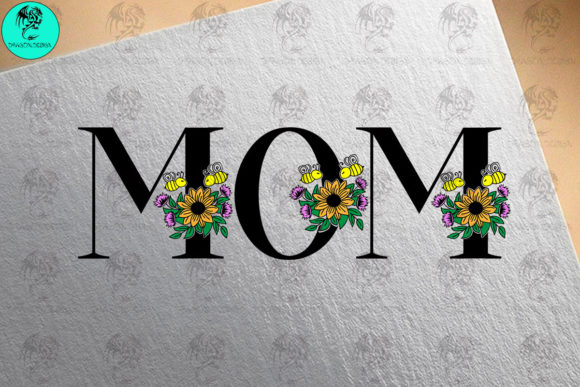
When evaluating a new digital asset for my studio, I look beyond the screen preview to imagine how the lines will actually translate into thread. The Mom Flower Bee design immediately caught my attention as a versatile graphic that bridges the gap between sentimental value and modern botanical aesthetics. As an experienced designer reviewing this for potential use in client projects and shop inventory, my first impression is one of balanced composition. The interplay between the organic curves of the floral elements and the structured detail of the bee creates a focal point that feels intentional rather than cluttered. For those of us in the crafts industry, finding a machine embroidery design that carries emotional weight without looking dated is a constant challenge, and this motif appears to hit that sweet spot.
Translating Digital Lines to Stitched Reality
The true test of any embroidery file is how it behaves under the needle. While the provided SVG, Transparent PNG, EPS, and DXF formats are excellent for cutting machines and print-on-demand applications, converting this graphic for embroidery requires a critical eye toward stitch density and fabric interaction. In my assessment, the Mom Flower Bee design possesses the visual hierarchy necessary for a successful satin stitch outline or fill stitch conversion. The distinct separation between the bee’s wings and the flower petals suggests that the digitizing process should allow for clean color changes, which is vital for maintaining definition when stitching on textured fabrics like linen tea towels or canvas tote bags.
For small business owners and Etsy sellers, clarity is currency. A muddy design loses customers. This artwork has enough negative space to prevent puckering on lighter materials, provided you use the correct stabilizer. When I visualize this as a sweatshirt embroidery project, I can see the design holding up well against fleece backing because the shapes are bold enough to sink slightly into the pile without losing their identity. However, if you plan to use this for baby embroidery on delicate knits, I would recommend testing a simplified version or increasing your underlay stitches to prevent the fabric from pulling through the design area.
Real-World Application: The Custom Tote Bag Test
To truly understand the commercial viability of Mom Flower Bee, let’s walk through a real-life scenario involving a custom apparel and accessory line. Imagine preparing a Mother’s Day collection featuring embroidered canvas tote bags. This is a high-volume category for many handmade shops, and the margin for error is slim. I recently evaluated similar botanical graphics for a boutique client who needed a design that photographed well for printable mockups but also delivered quality in the finished product.
In this context, Mom Flower Bee serves as an ideal centerpiece. The vertical orientation often associated with flower-and-bee motifs fits naturally within the standard 5x7 hoop size commonly used for bag decoration. From a production standpoint, this layout minimizes re-hooping time. More importantly, the theme resonates instantly with buyers looking for a personalized gift. Unlike generic clip art, this design carries a narrative warmth that justifies a higher price point. When stitched out in variegated thread colors against natural cotton canvas, the design transforms from a simple graphic into a premium handmade product. The key here is contrast; ensuring the thread selection pops against the bag material is what turns a basic craft item into a best-selling boutique product.
Navigating Fabric Limitations and Hoop Constraints
While the aesthetic appeal is strong, practical application requires caution. Not every surface is friendly to detailed graphics. If you intend to use Mom Flower Bee for cap embroidery or curved surfaces, be aware that the intricate details of the bee’s anatomy may distort unless you have a specialized cap frame and precise digitizing. Curved surfaces compress designs horizontally, so you may need to adjust the aspect ratio before stitching.
Similarly, dark fabrics present a specific challenge. If the original file relies on fine running stitch details for the flower veins or bee stripes, these elements might disappear entirely on navy or black garments. In such cases, I advise creating a white underlay base or modifying the design assets to include bolder outlines. For stretchy fabrics like performance wear or jersey knits, the risk of registration issues increases. Always pair this design with a cut-away stabilizer and consider using a spray adhesive to keep the fabric taut. Remember, a beautiful SVG on your computer screen does not automatically guarantee a flawless stitch-out on difficult textiles. Testing on scrap fabric is non-negotiable for professional results.
Commercial Viability for Creative Entrepreneurs
For digital product sellers and creative entrepreneurs, versatility drives revenue. The inclusion of EPS and DXF formats alongside SVG and PNG makes Mom Flower Bee a robust asset for mixed-media businesses. You aren't limited to just embroidery; this graphic works equally well for laser engraving on wood slices, vinyl decals for car windows, or sublimation prints on mugs. This multi-format availability allows for consistent branding across different product lines, which builds customer trust and recognition.
However, professionalism extends beyond file formats. Before listing any finished product or digital download, you must verify the licensing terms associated with this specific design. Just because a file is downloadable doesn't mean it is cleared for commercial embroidery or resale as a digital embroidery file. Protecting your business means respecting intellectual property. Assuming you have the appropriate rights, this design offers excellent ROI for holiday embroidery collections, nursery decor, and wedding gifts. Its timeless nature means it isn't tied to a fleeting trend, allowing you to keep it in your catalog year-round.
Essential Pre-Stitch Checklist for Makers
Before you commit Mom Flower Bee to your next embroidery project, run through this practical evaluation list to ensure success:
- Verify Dimensions: Check the actual size of the vector file against your intended hoop size. Scaling vectors is safe, but scaling pre-digitized embroidery files can ruin stitch density.
- Contrast Test: Create a black and white mockup to ensure the design reads clearly without relying solely on color differentiation.
- Stabilizer Selection: Match your stabilizer weight to both the fabric texture and the anticipated stitch count of the converted design.
- Thread Palette: Select thread colors that complement the fabric background; avoid matching the thread too closely to the fabric unless aiming for a tone-on-tone effect.
- Detail Inspection: Zoom in to check for overlapping nodes or open paths in the SVG/DXF that could cause machine errors during conversion.
- Washability Check: If creating items like aprons or kitchen towels that require frequent washing, ensure your stitch type selection prioritizes durability over delicate detail.
Final Thoughts on Design Integrity
Ultimately, Mom Flower Bee represents the kind of thoughtful graphic that elevates a maker's portfolio. It avoids the trap of being overly cutesy while remaining deeply affectionate, making it suitable for a wide demographic ranging from new mothers to gardening enthusiasts. Whether you are producing custom apparel for a local market or selling digital assets to fellow crafters, the success of this design lies in your technical execution. Treat the source file as a blueprint, not a guarantee. By applying professional judgment regarding fabric choice, stabilization, and color theory, you transform a simple digital download into a tangible expression of quality craftsmanship. In the competitive world of handmade goods and Etsy listings, that attention to detail is exactly what separates hobbyists from established brands.