My Favorite Baseball Player Calls Me Mom Design Review
As a professional embroidery digitizer and product reviewer, I approach every new machine embroidery design with a critical eye toward stitchability and marketability. When evaluating "My Favorite Baseball Player Calls Me Mom," my primary concern is not just the sentimental value of the phrase, but how those vector shapes translate into actual thread on fabric. This design falls squarely within the Crafts category, specifically targeting the lucrative niche of personalized sports mom apparel. However, moving from a digital Graphics file to a tangible handmade product requires careful consideration of density, fabric interaction, and commercial viability for Etsy sellers and small business owners.
First Impressions: Vector Versatility vs. Stitch Reality
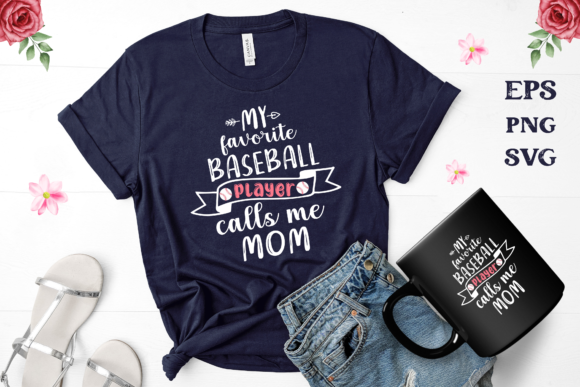
Upon opening the source files, the immediate advantage of this asset is its foundation in 100 vector shapes. For a designer, this is gold. Unlike raster images that pixelate when scaled, vectors allow us to resize the artwork without losing edge definition. This is crucial because a sweatshirt embroidery project requires vastly different dimensions than a baby onesie or an embroidered patch. The layout features a playful, athletic typography style that evokes dugout energy and maternal pride simultaneously. Visually, it strikes a balance between bold statement and decorative charm, making it suitable for both casual wear and boutique merchandise.
However, having resizable vectors does not automatically guarantee a perfect embroidery file. As I reviewed the composition, I noted that the lettering style likely relies on a mix of satin and fill stitches. The phrase "Calls Me Mom" serves as the emotional anchor, and in embroidery, this text must remain legible at smaller sizes. If you are adapting this for a cap or sleeve, you must verify that the internal counters of letters like 'a', 'e', and 'o' do not close up during stitching. The design’s personality is confident and sporty, but its technical execution depends entirely on proper digitizing parameters relative to your chosen hoop size.
Real-World Application: The Custom Tote Bag Test
To truly judge this design, I mentally simulated a real-life production scenario: creating a custom canvas tote bag for a baseball team mom gift set. Canvas is a sturdy, textured fabric that can be unforgiving to fine details. In this context, "My Favorite Baseball Player Calls Me Mom" needs to command attention without sinking into the weave.
For a tote bag design, I would prioritize a heavier stitch density to ensure coverage over the canvas texture. The vector nature of the graphic allows me to slightly thicken the connecting elements between letters to prevent thread breaks during high-speed production. Because the description notes "possible and easy change color," this is where a crafter can add significant value. Imagine stitching the team colors for the word "Baseball" and a contrasting metallic or neutral tone for "Mom." This customization transforms a generic graphic into a highly desirable personalized gift. For an Etsy seller, offering these color variations as listing options can significantly increase buyer engagement and perceived product value.
Furthermore, this design serves as excellent content for a printable mockup. Before committing thread to fabric, I recommend placing the PNG or SVG version onto a digital tote template. This allows you to test visual hierarchy and color contrast instantly. If the design looks muddy or unbalanced on screen, it will certainly fail in thread. This step saves time, stabilizer, and frustration, ensuring your finished product meets professional standards before you list it in your shop.
Navigating Fabric Challenges and Technical Limitations
While this design shines on stable fabrics like cotton twill or canvas, it demands caution when applied to stretchy or delicate materials. A common pitfall for hobbyists and new craft business owners is assuming a design works universally across all garments. "My Favorite Baseball Player Calls Me Mom" involves multiple text elements and potential decorative accents. On a lightweight performance tee or stretchy jersey, the stitch density could cause puckering or distortion if the proper stabilizer isn't used.
I advise testing this design on scrap fabric first, specifically using a cut-away stabilizer for knits and a tear-away for wovens. Pay close attention to the registration marks if the design includes multi-hoop elements or complex layering. Tiny lettering in the subtitle or decorative flourishes may require a switch from standard satin stitch to running stitch or micro-satin to maintain clarity. If you are producing baby embroidery items, safety and comfort are paramount; ensure the back of the embroidery is smooth or covered, as dense stitch areas can irritate sensitive skin.
Additionally, consider the washing requirements of the end product. Sports gear gets dirty. If this design is destined for a sideline jacket or practice bag, the thread colors must be colorfast, and the stitch structure must withstand frequent laundering. Avoid overly long satin stitches that might snag on equipment or zippers. Breaking up large fill areas with texture patterns can also reduce thread usage and improve drape, making the garment more comfortable for the wearer.
Commercial Viability and Professional Presentation
For those selling digital embroidery files or finished goods, professionalism builds trust. The fact that this asset comes with EPS, SVG, and PNG formats suggests versatility, but always confirm licensing terms before selling. Does the license cover commercial embroidery for physical products? Can you use the PNG for marketing materials? Clarifying this protects your business. When listing this item, avoid generic descriptions. Instead, highlight specific use cases: "Perfect for Little League Senior Night," "Customizable Team Mom Sweatshirt," or "Baseball Tournament Keepsake."
Visual appeal directly correlates to sales. Use the provided PNG to create high-quality lifestyle mockups showing the design on actual apparel. Customers need to visualize the scale and placement. If you are a maker attending craft fairs, having a sample stitched out in popular team colorways (navy/white, red/grey) helps buyers connect emotionally with the product. The phrase itself is a powerful hook, but your craftsmanship validates the price point. Ensure your tension is balanced, trims are clean, and the design is centered perfectly. These details distinguish a premium small shop product from amateur work.
Designer Notes for Optimal Results
Before loading "My Favorite Baseball Player Calls Me Mom" into your machine, run through this practical checklist to ensure success:
- Verify File Compatibility: While vectors are resizable, ensure your specific embroidery software can import the EPS/SVG and convert them to stitches correctly, or purchase a pre-digitized version compatible with your machine brand.
- Test Stitch Density: Print a template at actual size and tape it to your target garment. Check if the design fits the printable area and aligns with seams or pockets.
- Thread Contrast Check: View the design in black and white mode in your software. If elements disappear or blend together, adjust thread colors or add outline stitches to define shapes.
- Stabilizer Selection: Match stabilizer weight to fabric weight. Never use heavy stabilizer on light fabric or vice versa. For caps, use specialized cap backing.
- Licensing Confirmation: Double-check whether the "Ready to print" claim extends to commercial resale of physical embroidered items or digital sub-licensing.
- Mockup Validation: Create at least three mockups (light fabric, dark fabric, and a lifestyle shot) to assess versatility before listing.
Ultimately, "My Favorite Baseball Player Calls Me Mom" is a strong contender for seasonal and evergreen sports apparel lines. Its success lies not just in the cute sentiment, but in the maker's ability to adapt those vector shapes into durable, beautiful embroidery. By respecting the technical constraints of thread and fabric while leveraging the design's customizable nature, you can create products that resonate deeply with customers and elevate your brand's reputation in the handmade marketplace.